What is a Fire Compartmentation Survey? Acuity Compliance
Fire Compartmentation Survey An Independent Fire Consulting Business

The primary objectives of fire compartmentation are twofold: life safety and property protection. For life safety, compartmentation provides more time for occupants to evacuate safely by keeping escape routes free of smoke and fire. For property protection, it confines the fire to a smaller area, reducing the extent of damage and making firefighting efforts more manageable and effective.
Fire Compartmentation Surveys Fire risk assessment, Survey report, Fire protection

What is Fire Compartmentation? Fire compartmentation divides a building into smaller subsections using fire-resistant construction materials. Its goal is to slow down and contain the spread of fire and smoke. Fire compartmentation is a form of passive fire protection, meaning the function works without the need for people and machines, unlike.
Full BM Trada Accredited Fire Compartmentation North West

The main objective of a fire compartmentation survey is to assess the integrity of fire-resisting walls, floors, ceilings, and associated elements in a building. The survey consists of capturing defects found across the compartments of a building, such as services passing from one compartment to another that have, for example, left some sort of.
What is a Fire Compartmentation Survey? Acuity Compliance
Commonly providing between 30 and 120 minutes of fire resistance, the main objective of a fire compartmentation plan is to prevent the rapid escalation of fire, and allow occupants more time to evacuate safely. It also supports effective fire fighting measures by containing the risk to individual zones.
Fire Proofing Compartmentation In Education

Fire compartmentation is a strategy that prevents the spread of fires through building design and using fire retardant materials. Most fire tragedies occur when a fire spreads from one section of a building and engulfs the neighbouring sections and blocks. Fire compartmentation aims to contain a fire in a small building area long enough for.
ISO Safety Signs Pete’s Guide to Innovation
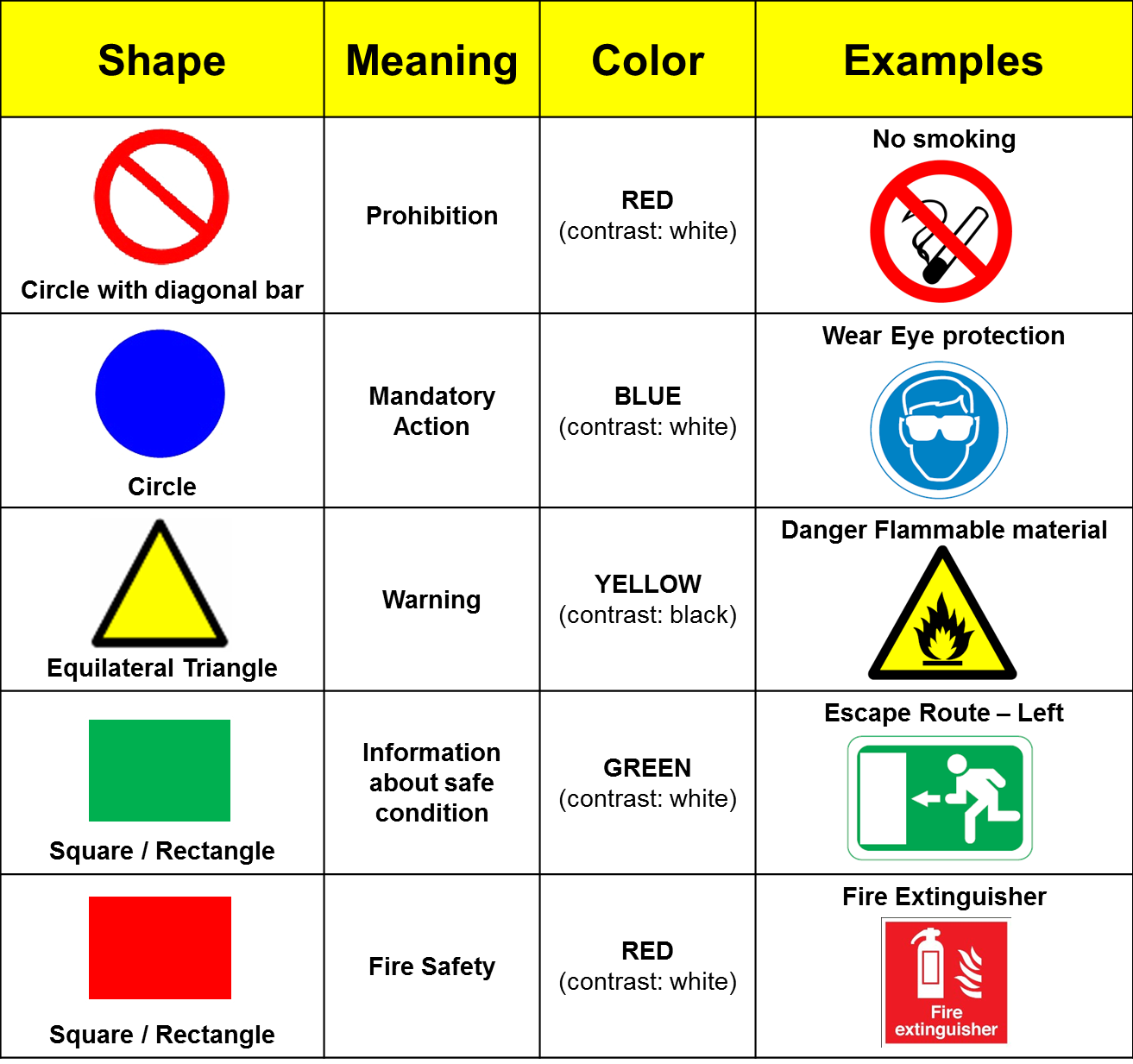
Approved Document B, Volume 2 (2019) defines fire compartments as; -. "A building or part of a building comprising one or more rooms, spaces or storeys constructed to prevent the spread of fire to or from another part of the same building or an adjoining building.". This is achieved through the provision of fire resisting walls and floors.
Fire Compartmentation Dawber Williamson Ceilings Ltd

What is the main objective of fire compartmentation? As mentioned throughout this article, the main objective of compartmentation is to contain a fire within a specific section of a building. This allows more time for occupants to safely evacuate a building and for fire services to extinguish the flames.
Understanding Fire Stopping and Compartmentation Fire Protection Association
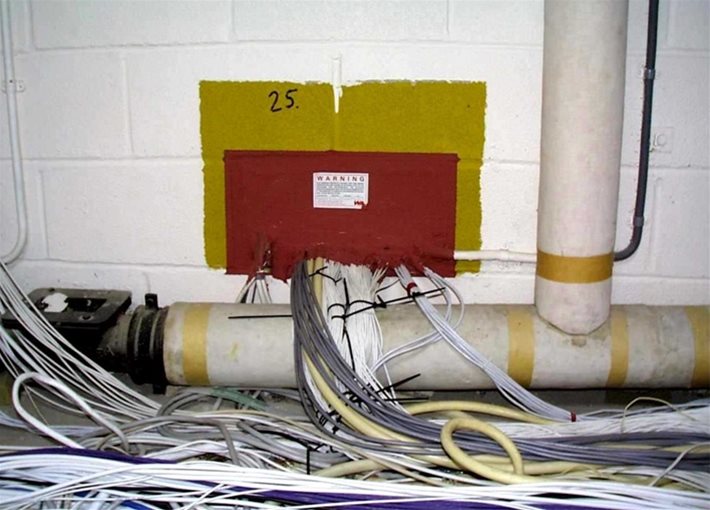
What is the main objective of fire compartmentation? To slow the spread of fire and smoke down, essentially by containing the elements within the room of origin. When is fire compartmentation required? Building regulations say your building needs to be safe in the event of a fire, which includes having compartmentation built into the structure.
Compartmentation Fire Curtains and Smoke Barriers Coopers Fire
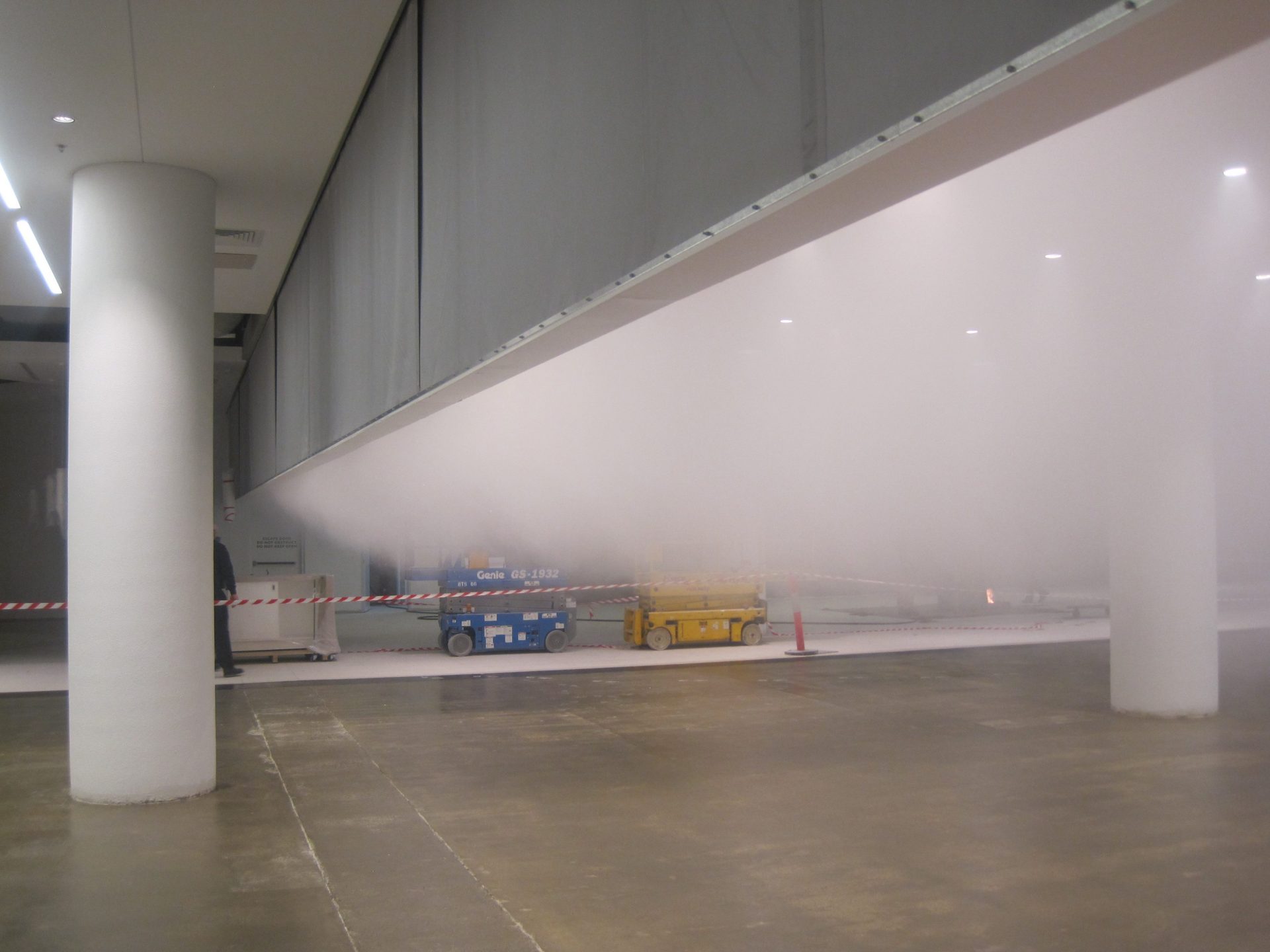
Fire Separation - is the creation of fire compartments by the use of walls, floors, and ceilings. The purpose of separating a building into compartments is to reduce the spread of fire between them. A compartment may be an entire building or just one floor or part of a floor. A compartment should be no larger than necessary for its intended.
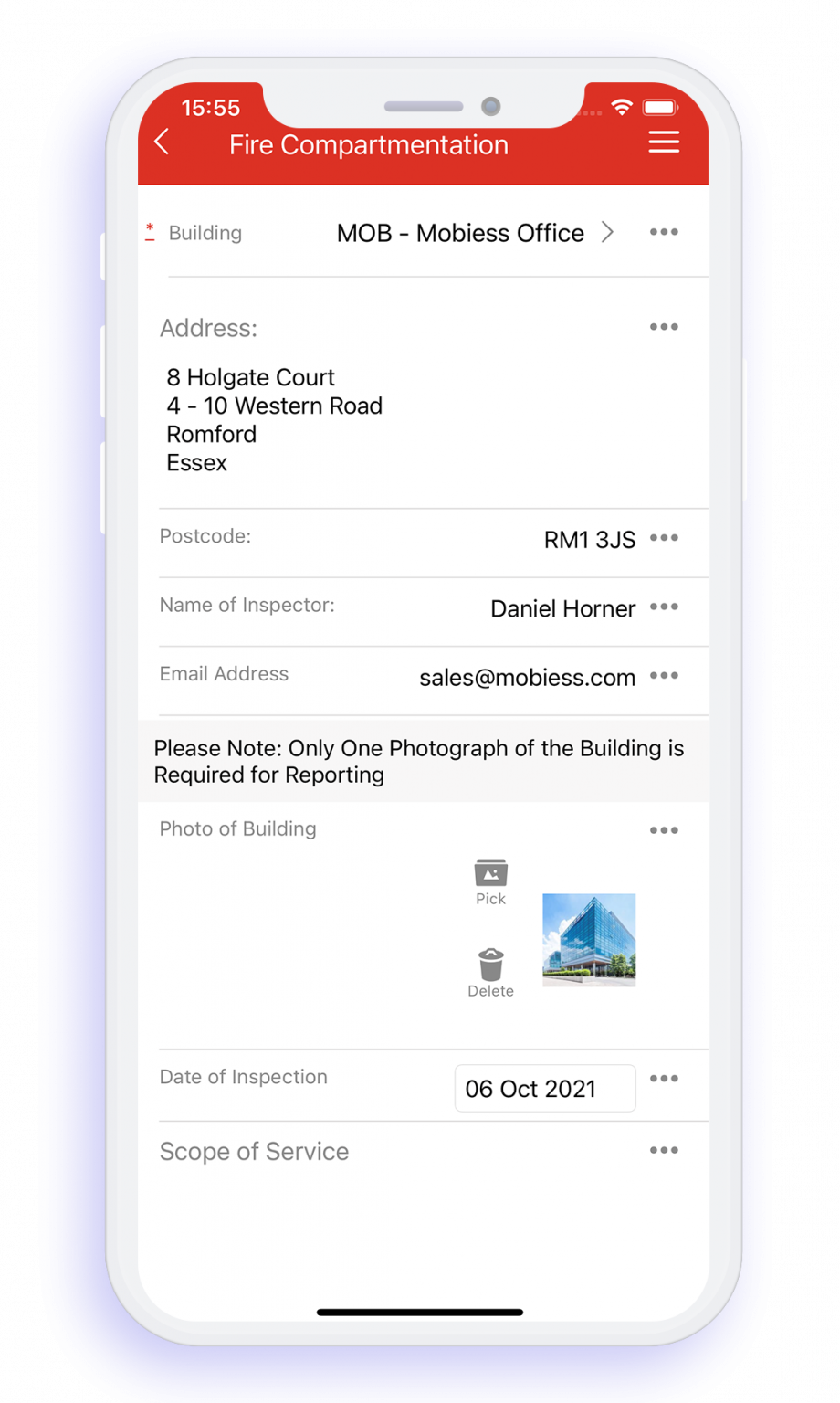
Fire Compartmentation Surveys Mobiess Ltd
2.1.0 Introduction. The aim of compartmentation is to inhibit rapid fire spread within the building by reducing the fuel available in the initial stages of a fire. The intention is to limit the severity of the fire which in turn should help the occupants to evacuate the building and assist fire and rescue service personnel with fire-fighting.
Services Firelink

Passive fire protection—fire compartmentation in buildings—refers to structures that are built into a building to passively prevent or stop the spread of smoke and fire. These include components such as smoke dampers, fire-rated walls, and fire doors. Current fire protection, life safety, and building codes require building compartmentation.
Fire Compartmentation for Commercial Buildings Smoke Guard

Compartmentation is a way to keep a fire contained in one place, preventing fire and smoke from spreading quickly and taking over the building. By creating these fire-resistant compartments, fire can be suppressed for around 30 minutes (time can vary depending on the building structure). There are different elements to creating a fire safe.
Compliance & Fire Safety Sircle

The objective of fire compartmentation is to prevent the spread of smoke, gases, and flames. By subdividing the building with fire resisting construction, escape routes and high-risk or high-value areas are protected to ensure the safety of occupants and prevent extensive losses. A suitable and sufficient fire risk assessment will typically.
What is Fire Compartmentation and Why Should You Care?

Fire compartmentation is the sub-division of a building into smaller sections in order to withstand and limit damage from smoke and/or fire by restricting its ability to grow. Fire compartmentation is achieved with the use of fire resisting construction often referred to as passive fire protection such as walls, doors, floors, and ceilings.
Fire Compartmentation Surveys Fire Risk Assessment Network

The main objective of fire compartmentation is to contain flames and smoke within a specific section of a building and limit their spreading. By doing this, flames and smoke are contained in one area for long enough to ensure safe evacuation from the building and for emergency services to gain access to eliminate the fire.
The importance of fire compartmentation and sealing YouTube

Fire compartmentation's main objective is containing flames and smoke within a specific area of the building, preventing their spread. Doing so protects the structural integrity of the building while also allowing occupants sufficient time to safely leave the premises. More importantly, however, compartmentation is also crucial for modern.
.